 The Shoe Capital
Spider-Man 101
What if today is the day a radioactive spider finally picks me?

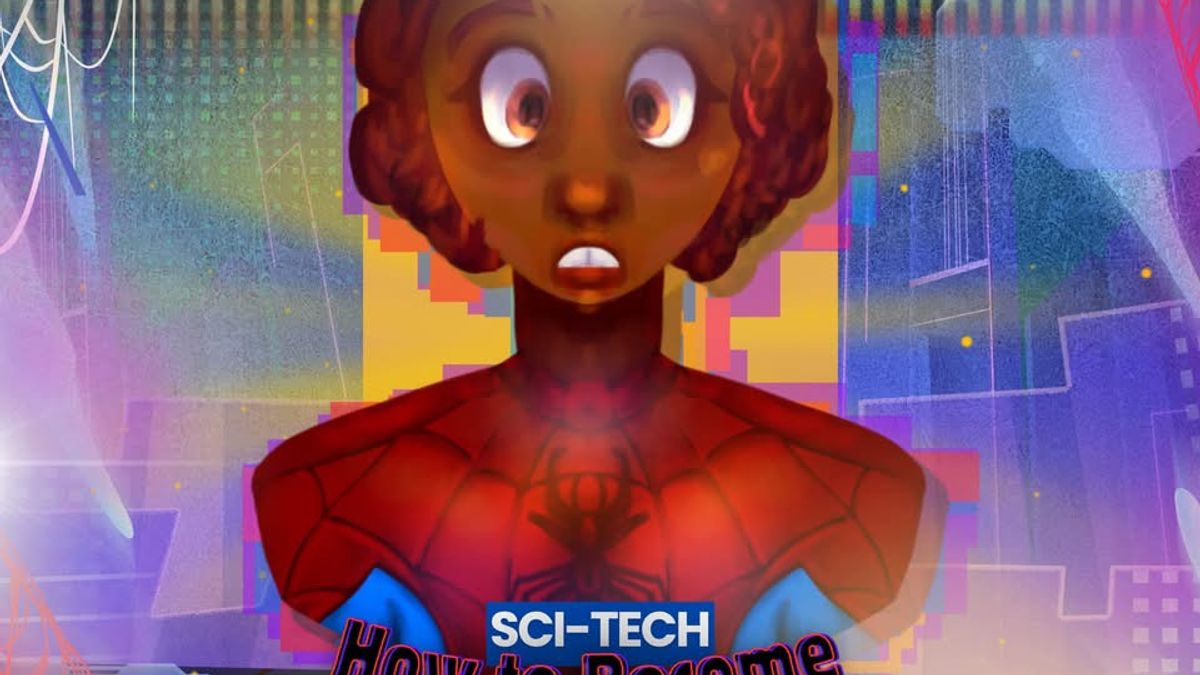
You wake up one morning with a strange thought: What if today is the day a radioactive spider finally picks me?
Let’s be honest—almost everyone has imagined swinging between skyscrapers, sticking to walls, or stopping a runaway train with nothing but webs and determination. Spider-Man has been a childhood dream, a Halloween costume, and a pop culture icon for generations. But beyond the comics and blockbuster films lies a question worth asking: Could science ever make a real-life Spider-Man possible?
The short answer? Not exactly. But surprisingly, modern science is inching closer to parts of that fantasy than many people realize.
Spider-Man’s story begins with one impossible event: a radioactive spider bite that rewrites Peter Parker’s DNA overnight. In reality, radiation does not grant superpowers. Instead, high doses of ionizing radiation damage cells and DNA, increasing the risk of illnesses such as cancer, according to the World Health Organization (WHO).
That may sound like the end of the dream—but science has found other, much safer paths.
Take wall-climbing, for instance. Geckos can scale glass because millions of microscopic hairs on their feet create tiny molecular attractions called van der Waals forces. Inspired by this, researchers have developed synthetic “gecko tape” and adhesive materials capable of supporting a person’s weight without glue.
Then there are Spider-Man’s web shooters. While natural spider silk is thinner than a human hair, it is remarkably strong for its weight. Scientists have spent years studying its structure to produce artificial spider silk using genetically engineered bacteria, yeast, and even silkworms. These materials could one day improve surgical sutures, protective equipment, and lightweight textiles.
What about Peter Parker’s incredible strength?
Nature already provides clues. Ants can carry many times their own body weight because of their size and muscle mechanics. Humans cannot simply copy that biology, but wearable robotic devices called powered exoskeletons are helping workers lift heavy objects and assisting patients in rehabilitation. Instead of changing the human body, engineers are designing technology that works alongside it.
Spider-Man’s famous “spider-sense” might sound impossible, yet modern technology is developing systems that come surprisingly close. Artificial intelligence, wearable sensors, radar, and computer vision can detect obstacles, monitor surroundings, and alert users before danger becomes visible. While these systems are far from predicting every threat, they demonstrate how machines can enhance human awareness.
Even Peter Parker’s quick thinking has a scientific explanation. Spider-Man succeeds not simply because of his powers but because he constantly solves problems under pressure. Researchers have long shown that critical thinking, creativity, and continuous learning are skills that can be strengthened through education and practice—abilities every student can develop without radioactive spiders.
Science fiction has always inspired scientific innovation. Concepts once dismissed as fantasy—video calls, reusable rockets, wearable computers, and robotic assistants—now exist because someone dared to ask, “What if?” Fiction often plants the seed; science grows the tree.
So, can you become Spider-Man?
Probably not through a spider bite.
But you can become someone who designs life-saving prosthetics, invents stronger materials inspired by spider silk, programs intelligent robots, or creates technologies that help people climb, lift, heal, and survive. The closest thing to becoming Spider-Man is not waiting for an accident—it is studying the science behind the superhero.
Perhaps the greatest superpower was never super strength or wall-crawling.
It has always been human curiosity.
Discussion
Join the Conversation
You must be logged in to leave a comment.