 The Shoe Capital
No Prescription for Pride: The Cure that Never Was
Being yourself is not an illness to be cured but a natural part of human diversity.

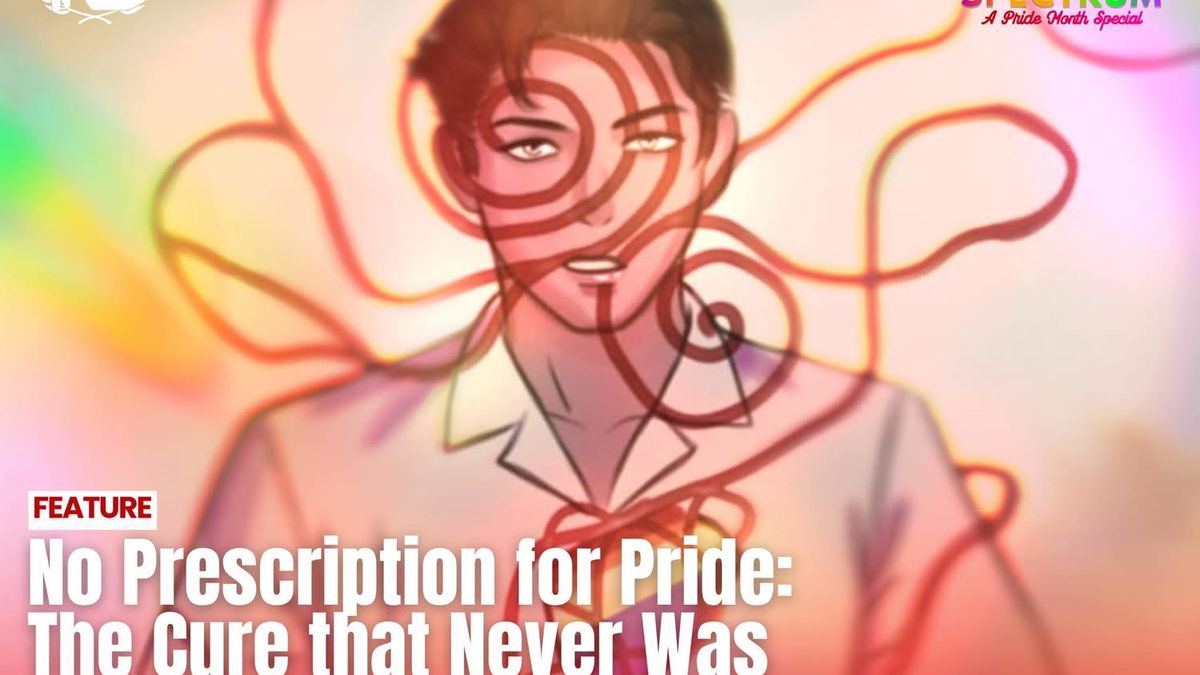
If being gay were a disease, pharmacies would have solved it by now. Instead, after decades of searching for a cure, the world discovered something unexpected: there was never an illness to treat in the first place.
For much of modern history, homosexuality was viewed through the lens of medicine rather than humanity. It was studied, questioned, and even pathologized. Yet science gradually arrived at a different diagnosis. In 1973, the American Psychiatric Association removed homosexuality from its list of mental disorders. Seventeen years later, the World Health Organization followed suit. The verdict was clear: being gay was not a condition, disorder, or defect. It was simply another way of being human.
Still, old beliefs linger like expired prescriptions tucked away in a medicine cabinet. Some continue to search for explanations, remedies, or ways to “fix” what they perceive as different. But difference has never been synonymous with disease. No one searches for a cure for left-handedness, a cure for creativity, or a cure for dreaming. Yet countless LGBTQIA+ individuals have spent years being told that a fundamental part of themselves requires correction.
Perhaps that is why the phrase “there is no cure for being gay” resonates so deeply. It does more than reject a myth; it challenges an entire way of thinking. If there is a patient in this story, society may have been diagnosing the wrong one all along. For generations, LGBTQIA+ people have been prescribed silence, shame, and conformity. They were encouraged to swallow fear in hopes of becoming someone else. The treatment failed—not because the patient resisted, but because there was never a disease to begin with.
The consequences of that misunderstanding often unfold quietly. A student hesitates before sharing a story about a crush. A teenager lowers their voice to avoid questions. A child learns to hide pieces of themselves the way others hide fragile keepsakes—carefully, constantly, and with the fear that discovery might lead to rejection. These moments rarely make headlines. Yet they reveal how prejudice often operates: not through dramatic acts, but through everyday expectations about who people should be.
Despite this, authenticity has a remarkable way of enduring. Like wildflowers finding their way through cracks in concrete, people continue to grow into themselves even in places where acceptance is scarce. Across schools, communities, and families, more young people are choosing honesty over performance. They are not asking for special privileges. They are asking for the freedom to live without disguises, to exist without turning their lives into endless auditions for approval.
History shows that diversity in gender and sexuality is not a modern invention but a longstanding part of the human story. Various cultures across the world have recognized identities and expressions beyond narrow definitions for centuries. What has changed is visibility. More people now have the opportunity to tell their stories openly, transforming what was once hidden into something seen, heard, and understood. Visibility does not create identities; it illuminates identities that have always existed.
There is no cure for being gay because there is nothing to cure. The challenge before society is not to change LGBTQIA+ people but to reconsider the assumptions that demand they change at all. Acceptance is not a prescription, nor is dignity a treatment plan. They are acknowledgments of a truth that has always been there: human beings do not become worthy of respect after they conform. They are worthy of it from the very beginning.
Discussion
Join the Conversation
You must be logged in to leave a comment.